

Get all four pieces home before your opponents!
Play Ludo Online with Friends
Ludo is a classic board game played with dice for two to four players. Each player moves four pieces of the same color around the board and tries to get them home before their opponents.
Ludo has its roots in the family of Indian board games related to Pachisi. In the 19th century, simplified variants were developed in Europe, including Ludo.
Here you can play Ludo online with your friends without signing up. Create a room now or join an existing game. Have fun!
Ludo Rules
Ludo is played with one die. Each player has four pieces that start in their base. Rolling a six brings a piece onto its starting square. The pieces then move around the track and into their own home column. The first player to get all four pieces home takes first place.
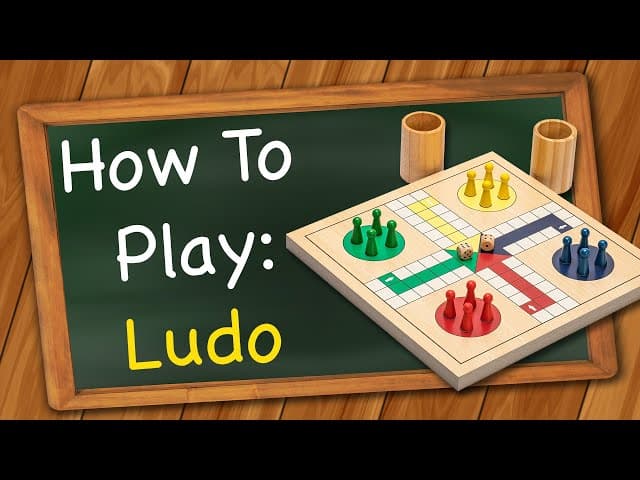
If you prefer to watch a short video about the rules, here is a summary:
Board and pieces
The Ludo board consists of an outer track, four colored bases, and four colored home columns. Each color belongs to one player. The arrows on the board show the respective starting squares and direction of play.
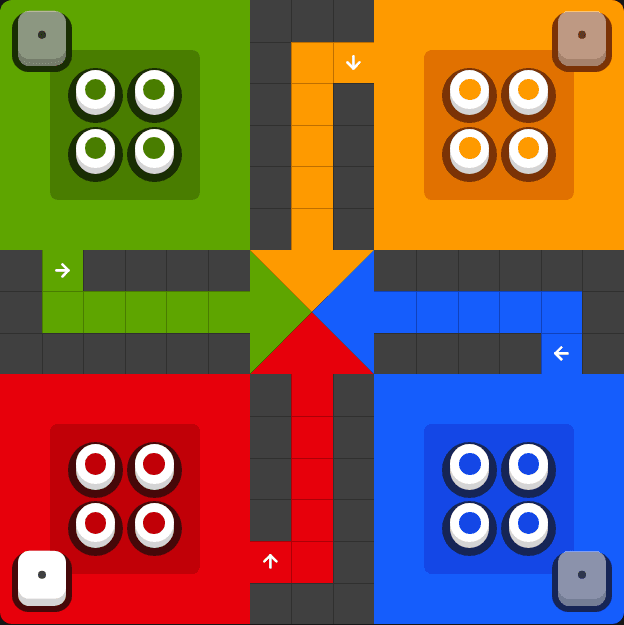
Each player has four pieces in their color. At the beginning, all pieces are in their own base. Pieces in play on the track or in their own home column can move with a normal roll.
Preparing the game
Ludo can be played with two, three, or four players. At the beginning, each player receives a color and the four matching pieces. The pieces are placed in the four spaces of their base.
Bringing a piece into play
A piece may leave the base only when a six is rolled. It is then placed on the matching starting square of the track. If several pieces are still in the base, the player can choose which one to bring into play. If a piece is already in play, you can choose to move it six spaces instead when you roll a six. A first or second six in a row gives you an extra roll.
Moving pieces
After two consecutive sixes, pay close attention to your next roll. The third six ends your turn without allowing you to move a piece.
Once a piece is on the track or in its own home column, it moves forward by exactly the number rolled. Pieces always move in the same direction around the board.
A move may not go past the end of your home column. If none of your pieces can be moved legally with the number rolled, the turn is forfeited.
Capturing opponent pieces
If your piece lands exactly on a square occupied by an opponent's piece, that piece is captured. The captured piece returns to its color's base and must later be brought into play again with a six.
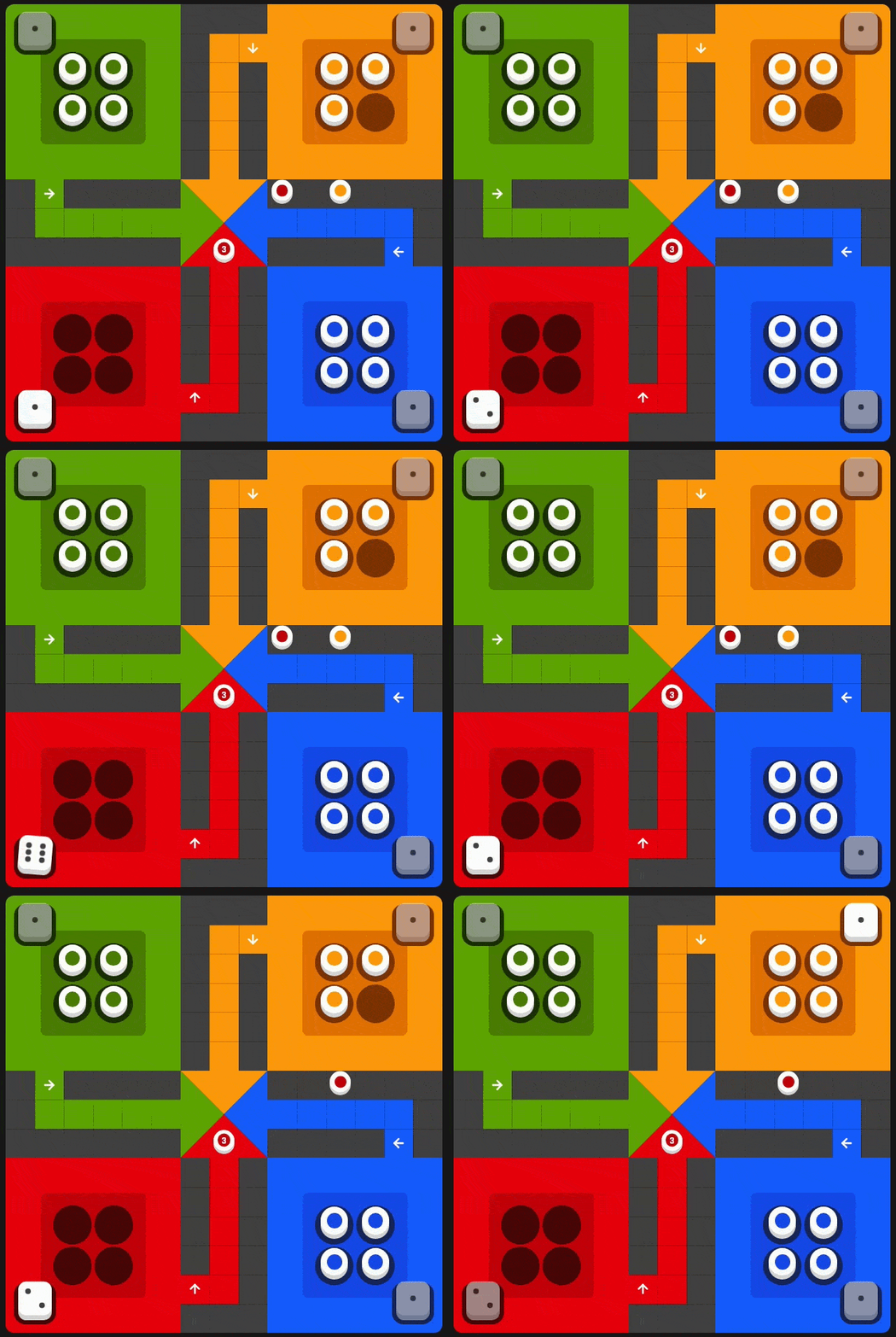
A block made up of two opponent pieces of the same color cannot be landed on or passed through.
Creating blocks
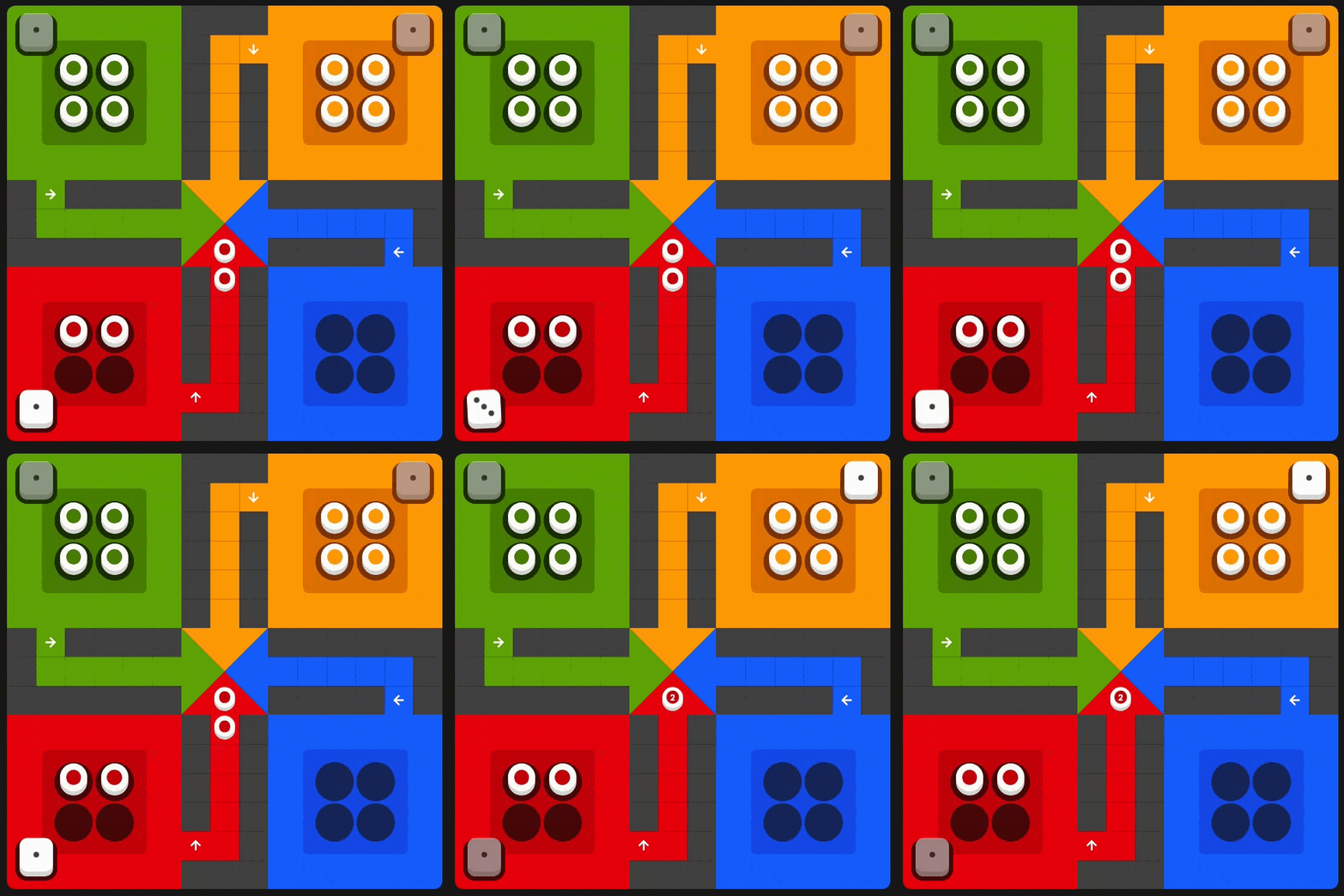
When two of your own pieces occupy the same square, they form a block. Your own pieces may pass over such a block or remain on it, while opponent pieces cannot land on the square or pass through the block.
A block can help you control part of the track. However, it can also hold back your own pieces if they can no longer move past it.
Reaching the home column
After completing a full lap, each piece turns into the home column matching its color. Only pieces of that color may occupy it. Pieces continue to move according to the number rolled.
You need the exact number for the final move into the home triangle. A piece stays there once it reaches the home triangle and cannot move beyond the final home space.
Game end and rankings
As soon as a player has brought all four pieces to the final home spaces, they take first place. With three or four players, the game continues so that the remaining rankings can also be determined.
Strategies and Tips
Do not bring only one piece into play; spread your moves across several pieces instead. This gives you more options, lets you threaten opponent pieces more effectively, and helps you use your own blocks strategically.
1. Bringing multiple pieces into play
When you roll a six, you can bring a new piece into play or move a piece already on the track. Having several pieces in play gives you more options for responding to your opponents' positions.
2. Distributing your pieces wisely
Do not automatically move the same piece every time. A well-spread group makes it more likely that you have a legal move. It also reduces the risk that one setback will wipe out all your progress.
3. Using blocks strategically
Two of your pieces on one square can prevent an opponent from moving. Place blocks where they disrupt your opponents' paths, while making sure that you can still move your own pieces later.
4. Preparing your finish
Every step counts in the home column. Plan exactly which number you need for the final spaces. This helps you avoid rolling a number that cannot be used because it would take a piece past the end of the home column.
Questions and Answers
Challenge your friends and play Ludo online.